
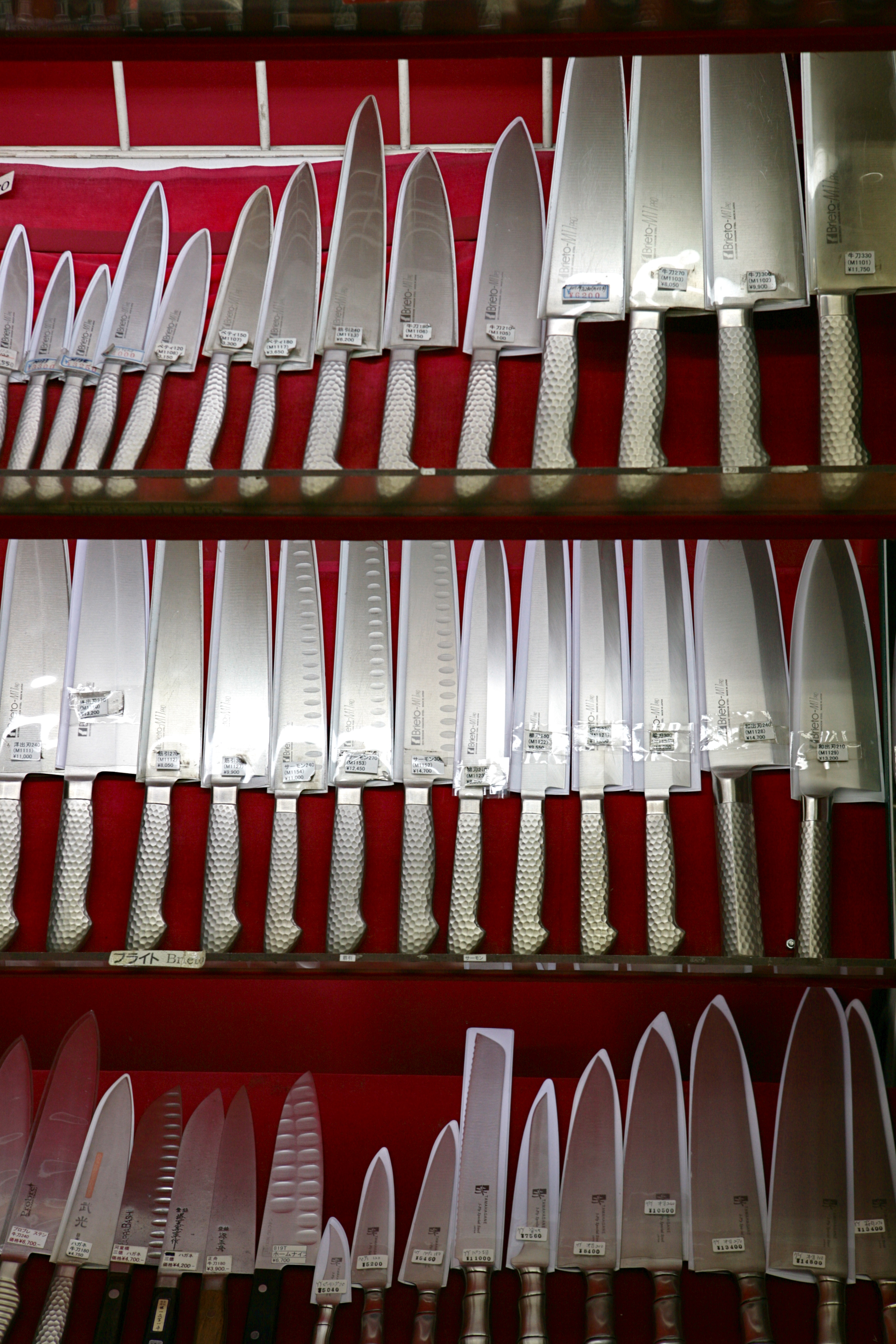
Respecting a knife means using it well, not whispering at it from a velvet pillow.
Buying with context
Skip if you want mythology. This note is meant to be practical and source-aware.
Culture starts with the job
The useful way to approach Japanese knives is not to treat them as magical objects. Treat them as specialized tools from a culture that has taken tool specialization seriously for a very long time. Gyuto, santoku, nakiri, deba, yanagiba, usuba and petty exist because tasks differ.
That is the first lesson: a knife shape is a job description. Buying a nakiri because you prep vegetables is coherent. Buying a yanagiba because it looks amazing while you mostly cut sandwiches is less coherent, though emotionally understandable.
Respect is practical
Respect means washing by hand, drying, storing safely, using the right board and not twisting a thin hard edge through squash like you are trying to prove something to an audience. It also means accepting that some knives require more care than others.
A carbon gyuto with iron cladding might be a joy if you like wiping and watching patina form. A stainless-clad VG10 santoku might be wiser if you want dinner with minimal ceremony. Neither choice makes you more serious. The serious thing is matching the tool to the person.
Retailers are part of the culture
Specialist retailers such as Hitohira and Karasu do more than sell steel rectangles. They organize maker information, explain shapes and steels, offer stones and maintenance context, and act as a filter between workshops and cooks. That matters when names, regions and lines get confusing.
Amazon can be convenient for common production knives. Specialist retailers often provide better detail for Japanese knives. Use both intelligently: Amazon for accessible shortlist items, specialist shops for context, exact maker lines and maintenance support.
No gatekeeping required
A good culture post should not make beginners feel stupid. The correct entry point is curiosity plus care. Learn the main profiles. Learn stainless versus carbon. Learn one stone. Cook dinner. Repeat.
The hobby can become deep very quickly: kasumi finishes, natural stones, smith and sharpener lineages, region-specific production, steel heat treatments. That depth is fun. It is not mandatory before chopping an onion well.
Takeaways
- Japanese knife culture is tool-specific, not mystical.
- Respect means maintenance and correct use.
- Specialist retailers are useful for context, not just shopping.
Relevant links
Affiliate links may earn commission. Check the exact listing, size and seller before buying.
A compact setup for stainless gyuto, nakiri and Western chef knives: 1000 for the edge, 3000 for tidy refinement.
Check current priceFor removing the last clingy burr. Helpful, cheap, and less dramatic than buying another knife at midnight.
Check current priceA gentle board protects thin edges better than glass, stone, bamboo punishment slabs or chaos.
Check current priceOptional storage oil for reactive carbon blades. Wash and dry first; oil is not a permission slip for damp drawers.
Check current price