
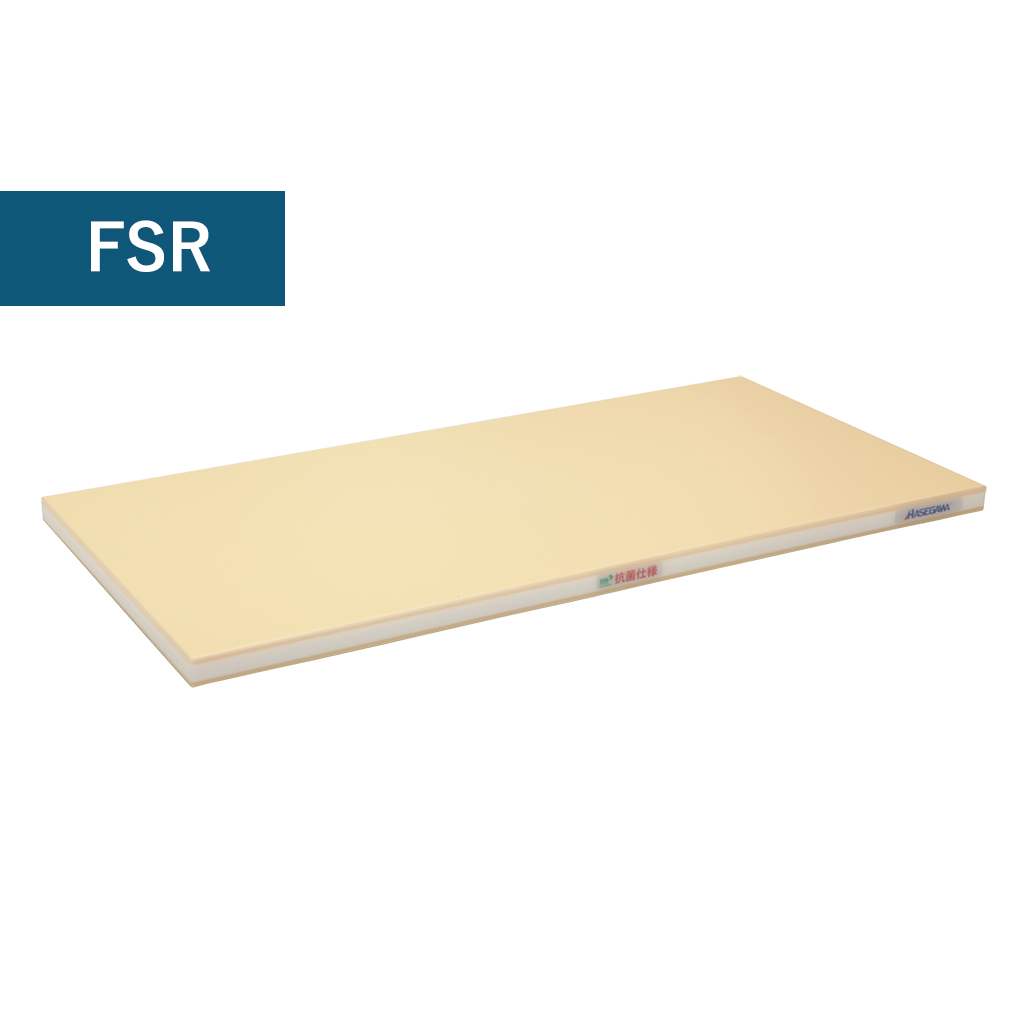
Hasegawa is not magic. It is a soft landing zone for a good edge and a lie detector for rough technique.
Thin Japanese knives
Skip if you need a claimed hands-on review. This is labelled as researched unless the status says owned.
What Hasegawa is trying to solve
A cutting board has three jobs: stay stable, stay clean, and not bully the knife. Hasegawa boards are interesting because they chase all three with a layered build. The wood core gives rigidity and keeps the board from behaving like a floppy placemat. The outer surface gives the edge something kinder than hard plastic or stone.
Official Hasegawa material frames the wood-core boards as lightweight and rigid, with soft-surface versions aimed at delicate Japanese knives. That is the whole proposition in one sentence: a serious board that is easier to move than a full rubber slab and gentler than the average supermarket plastic tile.
The cutting feel
The word people reach for is soft, but soft can be misleading. It does not mean sponge. It means the surface gives under the edge more than hard plastic. On a push cut with a nakiri, that can feel smooth and controlled. On a long slice with a sujihiki or gyuto, it can feel like the edge is landing into a padded runway.
The flip side: if you rock-chop like you are trying to wake the downstairs neighbour, the board may feel grabby. Some KKF discussion points to Hasegawa being extremely friendly for edge retention but less ideal for aggressive rocking. That matches the logic of the material. Soft surfaces reward straight cuts. Side load them and they tell on you.
Which Hasegawa lane makes sense?
Hasegawa naming can be a small spreadsheet pretending to be a product range. The practical decision is softer versus harder, home size versus pro size, and white versus darker surfaces. Softer boards are nicer to delicate edges. Harder boards suit rougher general work and may stain less visibly depending on model.
For home cooks using a VG10 nakiri, Tojiro DP gyuto, MAC, Global or similar, the soft-board lane is the interesting one. For people who cut squash, rock hard, prep lots of staining ingredients and want less grab, the harder Hasegawa PE direction may be safer. The correct answer is not the softest board. The correct answer is the board that matches how you actually cut when nobody is filming.
Care and annoyances
Hasegawa is lower maintenance than hinoki, but it is not invincible. Wash it, rinse it, dry it and store it with airflow. Do not leave it buried wet under a sheet pan. Do not treat the surface like a butcher block. If the specific board supports particular cleaning methods, follow that model guidance rather than internet folklore.
The biggest annoyance is price. The second biggest is choosing the wrong size. If the board is too small, every advantage is diluted because your knife is constantly leaving the runway. I would rather own a medium-good board in the right size than a luxury board the size of a polite notebook.
Verdict
Hasegawa is a strong buy for people who own thin Japanese knives and cut with reasonable control. It is not the board I would buy first for someone who wants to hack poultry joints or blast through frozen food. That person needs a different board and possibly a conversation.
For a stainless nakiri, gyuto or santoku setup, Hasegawa makes sense when edge life matters and you are already avoiding dishwashers, glass boards and drawer chaos. It is boring gear in the best possible way: it makes your nice knife stay nice for longer.
Takeaways
- Best for thin Japanese knives and straight cutting motions.
- The soft surface is edge-friendly but can feel grabby with heavy rocking.
- Choose size and hardness carefully; the model matters more than the brand name alone.
- Still needs basic cleaning and drying discipline.
- A good companion for VG10 nakiri, gyuto, santoku and slicers.
Relevant links
Affiliate links may earn commission. Check the exact listing, size and seller before buying.
Soft Hasegawa lane for thin Japanese knives. Confirm model code, size and seller before publishing a direct ASIN.
Check current priceHarder Hasegawa direction for people who want less grab and more general-use durability.
Check current priceUseful if you choose a board that benefits from maker-specific cleaning accessories. Check compatibility first.
Check current priceAirflow and stability help large boards dry and stay planted during prep.
Check current price