
Thin Japanese knives
This article uses published sources. It does not include my own hands-on test.
Scope of this note
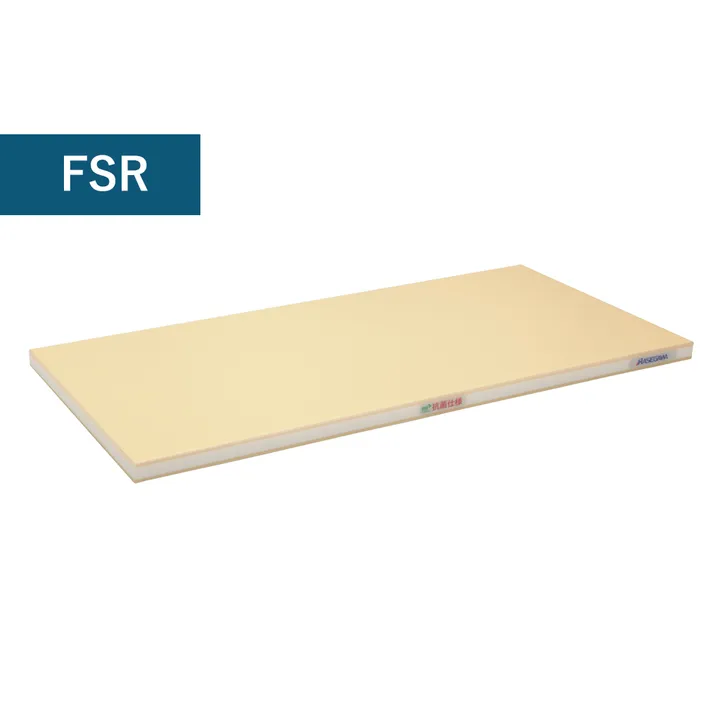
Hasegawa makes wood-core cutting boards with different surface materials. Read the exact model’s specification rather than treating the brand as one uniform cutting surface.
Construction and size
The wood core is intended to provide rigidity. Surface type, dimensions and weight vary by model, so compare those details with your workspace, sink and storage. A board that is awkward to wash may be a poor fit regardless of its specification.
Choosing a surface
A softer surface and a harder polyethylene surface are different buying choices. I have not tested their cutting feel, grip or effect on edge life. Ask the retailer which model suits your knife and normal cutting motion rather than relying on a general claim about the brand.
Care
Follow the cleaning and temperature limits for the particular board. Do not transfer dishwasher or sanitising advice from one range to another. Wash, rinse and dry it as directed, with room for airflow in storage.
When to consider one
Consider Hasegawa if you have a specific reason to change board material or construction. If your current board is stable, appropriately sized and in good condition, there is no need to replace it simply because you bought a finer knife.
Takeaways
- Check the model, dimensions and maker’s care instructions.
- Compare the delivered price and keep suitable equipment you already own.
- This is researched guidance, not a personal test.
Retailer links
Check the exact model, seller and delivered price. Marketplace searches can include unrelated items.
Check the exact model, dimensions, seller and delivered price.
Search Amazon UKAd · Affiliate link. May earn commission.