
Why regions matter
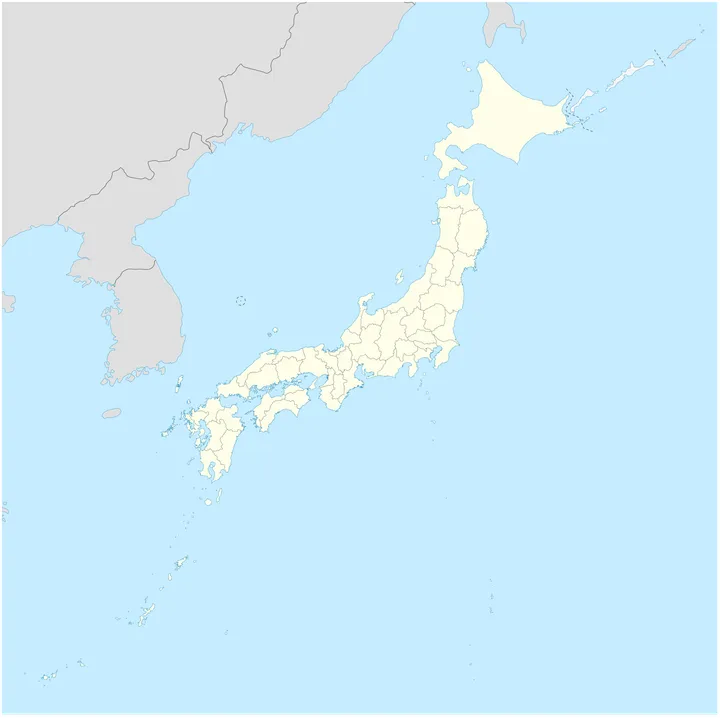
Japanese knife listings often mention regions because regional craft histories are real. Sakai, Seki and Sanjo are among the names beginners encounter early. Each has associations, workshops and production styles that shape what gets made and how it is described.
But region is not destiny. A Sakai label does not automatically tell you the exact smith, sharpener, grind or heat treatment. A Seki knife can be excellent or ordinary. A Sanjo knife can be many things. Specifics still matter.
Sakai: specialization and tradition
Sakai is strongly associated with traditional kitchen blades and division of labour. The blacksmith and sharpener roles are often discussed separately, which helps explain why a knife can be identified through more than one craftsperson.
For buyers, the Sakai lesson is to look for the chain: who forged, who sharpened, what steel, what profile, what retailer information exists. Keep maker attributions attached to the sources that support them.
Seki and Sanjo: production range
Seki is often encountered through accessible production knives and modern stainless lines. Sanjo is often discussed around robust double-bevel knives and makers with strong grind identities. These are useful starting impressions, not rigid laws.
The safest beginner move is to use region as a way to ask better questions, not as the answer. Show me the steel, grind, geometry, maker and use case. Then we can talk.
How to use the map when shopping
When a listing says Sakai, Seki or Sanjo, ask what the label is doing. Is it identifying production location, brand heritage, smith, workshop or style? If the retailer gives clear context, great. If the label is just decoration, be cautious.
A good regional guide should make you calmer, not more superstitious. Buy the knife that fits your board, hand, prep and maintenance habits.
Takeaways
- Regions are useful context, not complete proof.
- Sakai often highlights specialist craft roles.
- Specific maker, steel and grind details still matter most.